




Santa Teresa National Park offers a wide range of services for those who choose sun and beach tourism, nature, historical and sporting activities, with camping options available.
In forests that extend to the ocean coast, it has 1,401 hectares populated by more than 2,000,000 trees, both exotic and native. Its trails are self-guided.
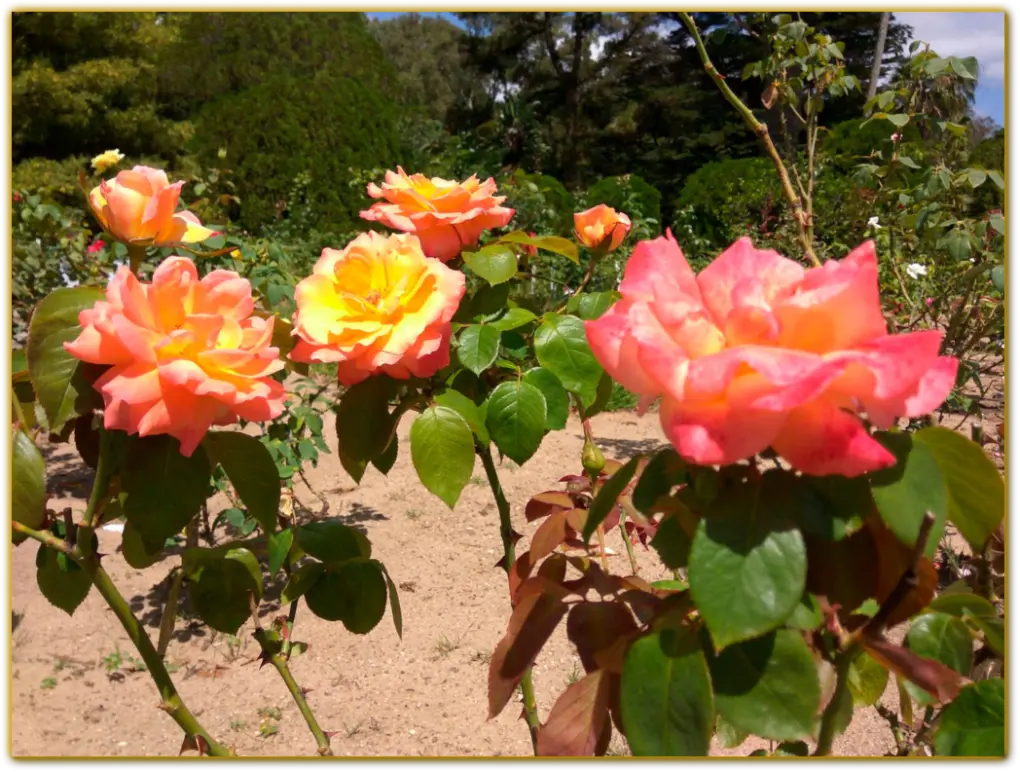
A shade house and a greenhouse complete a remarkable collection of vegetation, highlighting the magnificent Rosaleda, unique in the country for its classification of more than 300 varieties.
The park has a semi-natural pool, known as El Chorro, formed from a small stream and the natural features of the terrain. A large aviary and a wildlife refuge complete the landscape.
A section of the park is prepared for camping. Its beaches are spectacular and the fishing spots are excellent.
Entry to the National Park is completely free for all visitors who wish to enjoy its ocean beaches or explore its many attractions, as well as prepare a barbecue at one of the grills open to the public.
Flora and Fauna of Santa Teresa National Park
Santa Teresa National Park hosts a rich diversity of flora and fauna distributed across wetlands, grasslands, forests, and coastal environments. This ecological variety reflects both natural conditions and the transformation of the landscape initiated in the early 20th century.
Flora
Native Flora
The park preserves a wide variety of native plant species, many of which grow in natural associations typical of the region.
Currently, more than 64 species have been identified through ongoing botanical surveys, reflecting the ecological richness and diversity of the area.
These native communities play an essential role in maintaining the balance of local ecosystems.
The Rose Garden
Created by Horacio Arredondo in the 1940s, the Rose Garden is one of the most distinctive and celebrated features of Santa Teresa National Park.
It includes more than 67 varieties of roses arranged in a Renaissance-style semicircle in front of the shade house, forming a carefully designed landscape composition.
The garden is integrated with surrounding structures such as the Water Tower, the Shade House, the Santa Teresa Museum, and the Greenhouse, creating a harmonious connection between architecture and nature.
Exotic Flora
The park also features a wide collection of exotic plant species originating from all five continents.
Approximately 186 species were introduced by Horacio Arredondo beginning in 1928, through seed acquisitions and botanical exchanges.
This effort reflects his vision of transforming the landscape into a diverse and structured environment, combining native ecosystems with carefully selected foreign species, contributing to the unique botanical identity of the park.
The Cactus Garden
The Cactus Garden recreates a desert-like environment within the park, offering a striking contrast to the surrounding forests and wetlands.
It was donated by the Uraga family in 1998 and features a collection originally developed by architect Juan José Uraga.
This space adds to the botanical diversity of Santa Teresa National Park, highlighting the coexistence of different ecosystems within a single landscape.
The diversity of flora and fauna within Santa Teresa National Park reflects the successful integration of conservation, landscape design, and historical preservation.
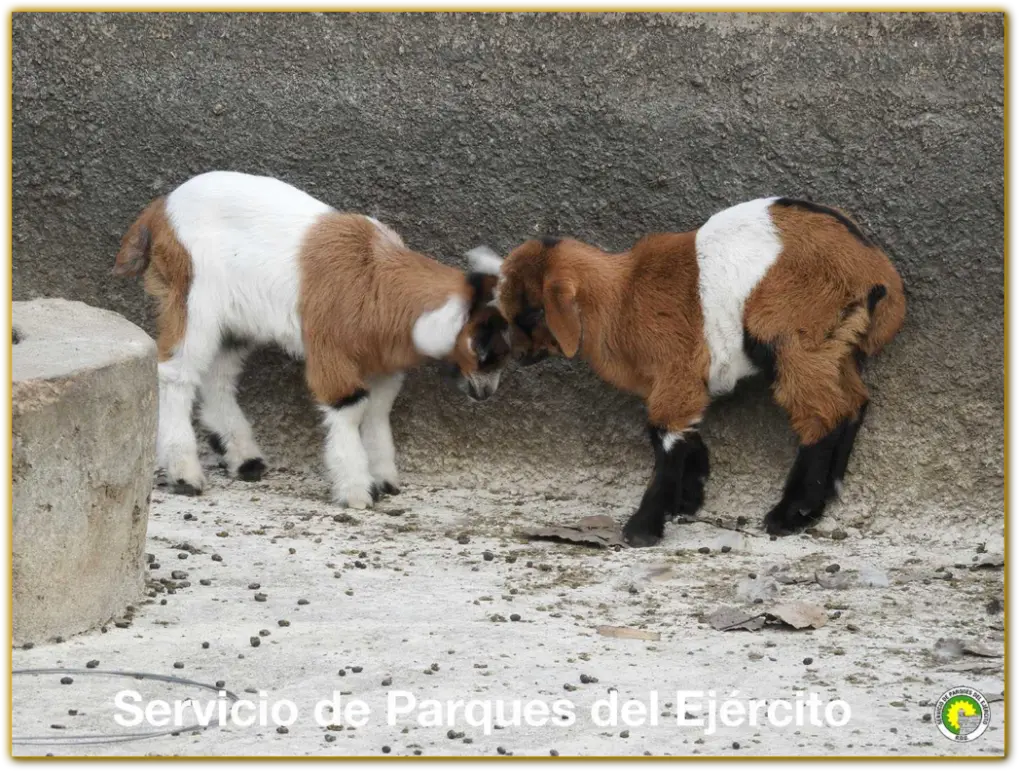
Fauna
Wetland Fauna
Wetland environments in the park support a wide variety of species adapted to humid ecosystems.
- Mammals: Capybara (carpincho), coypu (nutria), water rat, marsh rat, neotropical otter (river otter)
- Exotic species: Wild boar and hybrids with domestic pigs
- Amphibians: Freshwater turtle, common frog, toads and various native amphibian species typical of wetland environments
- Reptiles: Water snakes, sand snake and pit viper
- Birds: Ducks, herons, sandpipers, “dragón” (local name) and black-tailed tyrant (vulnerable species)
Grassland Fauna
- Reptiles and amphibians: Glass lizard, native snake species (including “parejera” — local name), tegu lizard, and various native frog species
- Mammals: Field mouse, long-tailed field mouse, guinea pig (apereá), skunk, European hare
- Birds: Rhea, partridge, chimango, scissor-tailed flycatcher, “dragón” (local name)
Forest Fauna
- Reptiles: Native snake species, including green and gray varieties
- Mammals: Crab-eating raccoon (mano pelada), fox, wildcat, ferret, armadillo, pampas deer (guazú-birá), opossum, bats
- Birds: “Juan chiviro” (local name), thrush, blackbird
Coastal Fauna
- Reptiles: Native snake species (including local varieties such as “penarlo” — local name) and false pit viper
- Amphibians and other species: Toads, frogs, and other amphibians adapted to coastal environments (including species locally known as “bibrón” — local name)
- Mammals: Vampire bat colonies in coastal caves
The diversity of flora and fauna within Santa Teresa National Park reflects the successful integration of conservation, landscape design, and historical preservation, making it one of the most distinctive natural and cultural environments in Uruguay.