




His Role in the Restoration of Uruguayan Fortifications
Remembered as a historian, archaeologist and museologist, Horacio Arredondo devoted his life to the recovery of colonial fortifications and to the creation of Santa Teresa National Park. His work integrated conservation, cultural tourism and sustainability, becoming a symbol of Uruguayan identity.
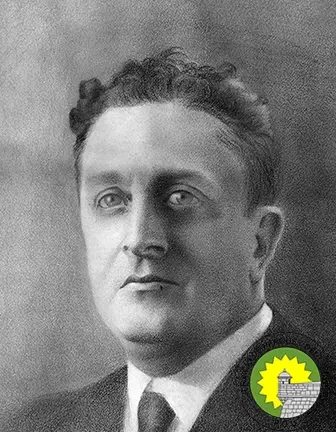 Recognized across different sectors of the country, on the centenary of his birth his remains were transferred, as a final tribute, to Santa Teresa National Park, where they rest in front of the historic Capatacía building, in the place he loved most.
The first fortifications were built by the Portuguese and later expanded by the Spanish during the imperial conflicts of the 18th century, defending the strategic land passage known as the “Angostura.”
Meanwhile, the Fortaleza General Artigas protected the bay of Montevideo against naval attacks, highlighting the military importance of this Banda Oriental, today the Oriental Republic of Uruguay.
Fallen into ruin through abandonment, such as Santa Teresa and San Miguel, or altered by use, such as the Cerro of Montevideo, Horacio Arredondo understood their significance. Born in Montevideo in 1888 and passing away in 1967, he was a historian, archaeologist and museologist of remarkable dedication, author of numerous publications. His firm determination led him to promote cultural tourism and historical awareness throughout the country.
Among the tributes to his legacy, in 2002 the Heritage Day was dedicated to him, recognizing him as the first cultural and tourism promoter of Uruguay. His vision integrated sustainable restoration with harmony between human creation and the natural environment, ensuring both interpretation and preservation.
After visiting the ruins of Santa Teresa Fortress in 1917, Arredondo resolved to “write its history, restore it and contain the dunes through appropriate plantings.” In 1919 he succeeded in having President Baltasar Brum and his ministers visit the fortifications, leading to the creation of the First Restoration Commission in 1923.
Although that commission was short-lived, Arredondo’s persistence led to decisive laws: in 1927 Santa Teresa was declared a National Monument, in 1931 the Fortaleza General Artigas received the same designation, and in 1937 San Miguel was recognized as both National Monument and National Park. These milestones placed the fortifications at the heart of national heritage.
Subsequent decrees transferred responsibility to the Army, creating the Army Service of Parks, Monuments and Museums, and later the Department of Historical Studies of the Army General Staff, which took charge of the Military Museums of Santa Teresa, San Miguel and General Artigas, and established the Military Museum “18 de mayo de 1811” at its headquarters. The Santa Teresa and San Miguel Parks are currently managed by the Army Parks Service.
Both the Fort and the Fortresses, together with their National Parks, remain living symbols of Uruguayan identity and a permanent tribute to Horacio Arredondo.