




1 a - Emergency Response and Protection
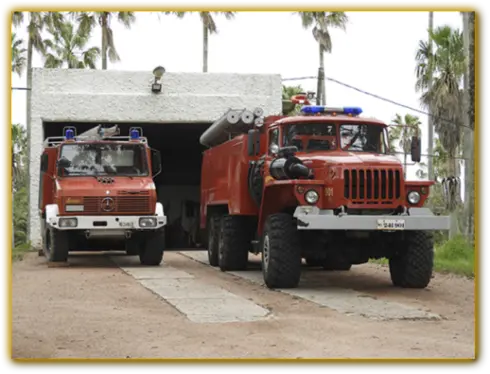
Committed to the safety of all visitors, the Army Parks Service provides resources and permanent response units for protection and assistance in emergency situations within the park.
- Fire Department and rapid response teams (Emergency: 104)
- Surveillance and perimeter control supported by 24-hour mobile patrol units within the park, in coordination with Police services (Emergency: 911)
- Signage and early warning systems
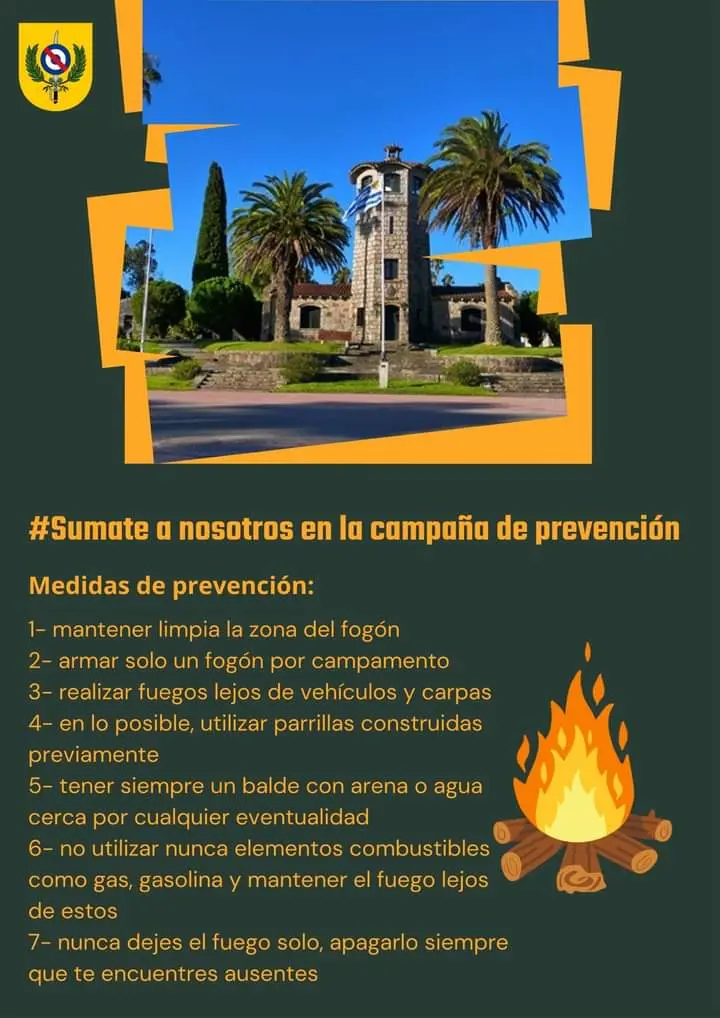
Santa Teresa National Park promotes a culture of prevention and rapid response to incidents, ensuring trained and well-equipped patrol units for emergencies. Fire departments and first-response teams receive ongoing training, and the park maintains up-to-date protocols in coordination with national and departmental authorities.
The visible presence of these services contributes to the safety, confidence, and well-being of visitors throughout all areas of the park.
1 b - Basic Logistics
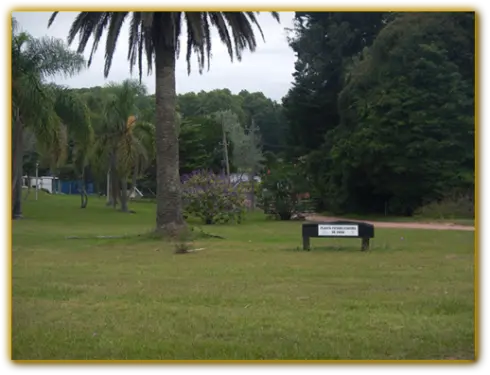
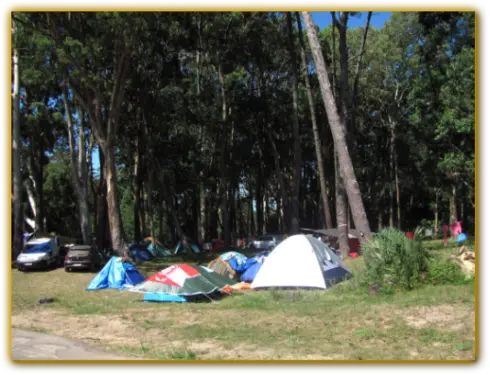
The park provides access to essential resources for a comfortable and safe stay, supporting the sustainable development of activities and respect for the natural environment.
- Supply of potable water managed by OSE
- Electrical supply points in designated areas
- Collection and management of municipal solid waste
These services ensure adequate provision during visitors’ stay, facilitating compliance with health and environmental regulations. The infrastructure is maintained according to rigorous standards, with regular inspections to preserve users’ quality of life and the integrity of the environment.
In this way, logistics is a key pillar in the park’s harmonious and responsible operation.
1 c - Health and Assistance
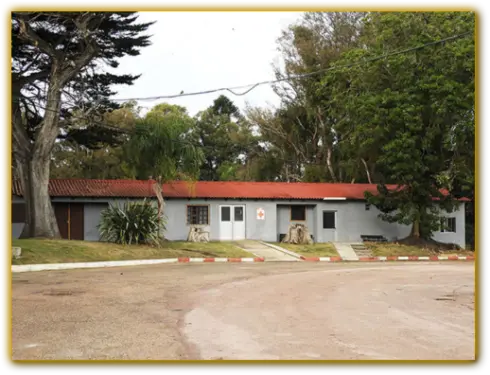
Immediate response to health emergencies and professional support for visitors are key priorities of Santa Teresa National Park.
- Health post and primary medical care facility
- Personnel trained in first aid and emergency care
- Coordination with external hospital services for referrals
The park is equipped with facilities and resources to address minor to moderate health issues, ensuring an appropriate response and effective coordination with local and departmental healthcare networks.
The presence of healthcare professionals and established protocols, including medically approved evacuation routes, contributes to a safe and reliable environment for families, groups, and individual visitors.